A Word From the Founder
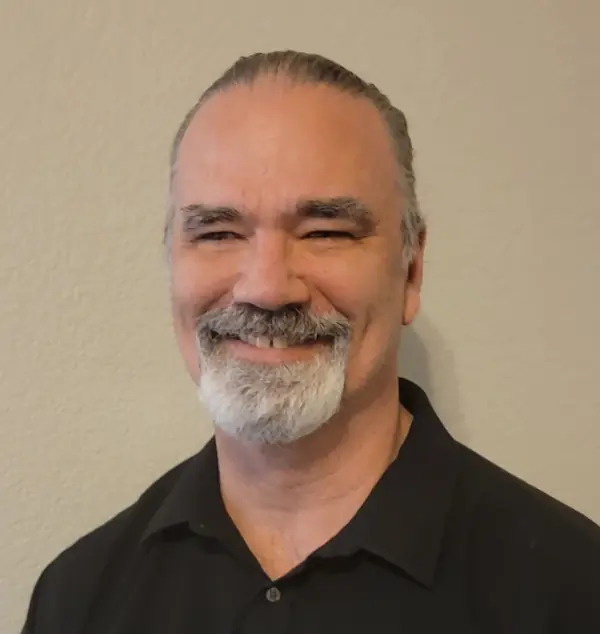
I'm Richard Whitney, and I started Real Prosperity. I build software, and I have more undertakings than one page can hold. A few of them are described on the home page, including MIR (Memory Infrastructure Registry), VoltJS and Pixboard. Whatever I build answers to the five tests, and I measure my work against them in the open, starting with the case studies.
Real Prosperity began as a question I couldn't set aside: what if doing the right thing were more profitable than doing the wrong thing? I wrote about where that question came from in What Good Will It Bring?
What I mean by prosperity
Real Prosperity isn't a guide to getting rich. Money is part of prosperity, but it's only one kind of wealth. Health is wealth. So are the people you love, what you know, the freedom to choose, peace of mind and faith. Prosperity is all of it together. Making money is part of that, but if money is all you've gained, you've missed most of it.
The word is older than the meaning we give it now. It comes from a Latin word for "favorable," and the Hebrew word translated "prosper" in the Bible means to go forward, to go well. In the scriptures I read, prospering in the land is promised to a people who keep God's commandments. I don't read that as a promise of riches. I read it as what life looks like when people treat each other right.
It doesn't mean a life without trouble, either. Adversity in reasonable doses is how people grow, and I've had my share. What I want is a society where we don't add needlessly to each other's burdens, and nobody has to carry theirs alone.
So I ask two questions, not one. Am I prospering? And does the way I prosper add to other people's prosperity, or take from it?
My faith
I am a member of The Church of Jesus Christ of Latter-day Saints. My faith profoundly influences how I understand human dignity, individual agency, personal responsibility, and our obligations to one another.
Real Prosperity is not affiliated with or endorsed by the Church, nor is it an effort to convert anyone to my religious beliefs.
I believe that good ideas should stand on their own merits and that people of every faith, or no faith at all, can work together toward a society in which prosperity is more widely shared.
I will speak openly about my faith when it is relevant, just as I will speak openly about my convictions on other matters. I have no desire to conceal either my beliefs or my intentions.
My hope is simply that the principles I advocate, and the manner in which I advocate them, will do some good in the world.
Holding me to it
The rule above the principles says no one is exempt from them, including the founder. If you think my work falls short of the five tests, or that I've got something wrong, write to me. As I wrote in What Good Will It Bring?, if someone shows that one of my ideas is mistaken, I want to be willing to admit it.
More of what I think, in my own words: